A Case of Procedural Oversight and Fair Work Compliance
Background
Jeffrey Iversen was appointed as the Chief Executive Officer of the Arramwelke Aboriginal Corporation on 12 February 2020. On 24 October 2024, he received a termination letter from the organisation’s Chairperson, Mr David Blue (Jr), which ended his employment effective immediately. The letter did not outline any reason for his dismissal nor mention prior performance reviews or KPIs.
Commission Proceedings: Non-Response from Employer
Despite multiple attempts, the employer failed to engage with Fair Work Commission processes:
- The FWC attempted contact via phone, email, and post starting November 2024, with no meaningful responses.
- Several phone calls went unanswered or to voicemail; correspondence was left unacknowledged or unreturned.
- Due to non-compliance with procedural directions—including failing to file a response or attend a conciliation—the Commission proceeded on the papers.
Decision Overview
Commissioner Riordan delivered the decision on 16 May 2025, finding that:
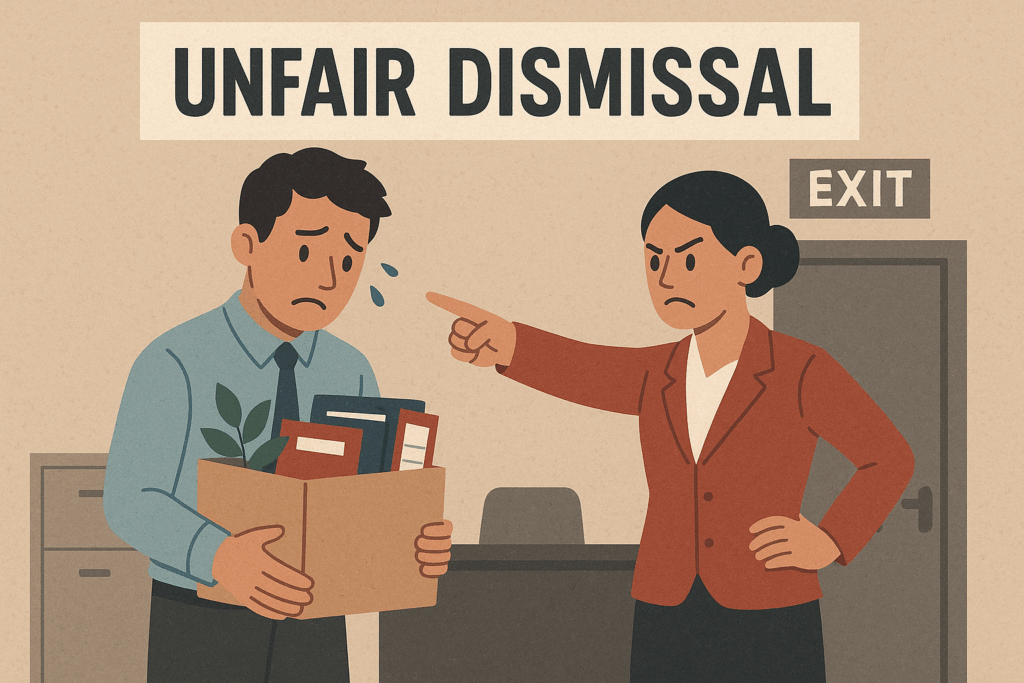
- Mr Iversen was unfairly dismissed, as the dismissal lacked any valid reason, performance criteria, or procedural fairness.
- The lack of employer participation, absence of HR processes, and failure to follow fairness norms significantly influenced the outcome.
Remedy Ordered
The FWC awarded Mr Iversen $17,999.92 plus superannuation, equating to approximately 11.7 weeks’ pay, compensating him for lost remuneration due to the unfair dismissal.
Why This Matter Matters
- Procedural Fairness is Fundamental
Employers—even small or non-profit ones—must observe basic procedural obligations. No performance reviews or communication undermines fairness. - Engagement with FWC Processes is Mandatory
Failure to respond to calls, emails, or directions may result in an adverse judgment by default. - HR Systems and Governance are Essential
The Commission noted the employer’s lack of HR expertise as a negative factor. Organisations must have clear policies, performance metrics, and review systems.
Lessons for Employers
- Establish Objective Performance Management: Set clear KPIs and conduct reviews, especially for senior roles.
- Document Decisions and Processes: If dismissal is considered, ensure the reasons and process are well recorded.
- Engage with Fair Work Commission Directions: Respond to correspondence, attend conciliation, and file responses promptly.
Lessons for Employees
- If dismissed without explanation or process, seek advice and file promptly—unfair dismissal claims must be lodged within strict timeframes.
- Request clarity and engage in any procedural steps offered, including conciliation or hearing opportunities.
How WorkRight Can Help
At WorkRight, we support both employers and employees through fair dismissal processes:
- For Employers: We help develop performance management frameworks, ensure procedural fairness, and train HR to manage terminations compliantly.
- For Employees: We assist in evaluating dismissal circumstances, preparing applications, and navigating Fair Work Commission procedures.
Whether it’s avoiding an unfair dismissal claim or seeking justice when one occurs, WorkRight guides you to a fair, defensible, and professional resolution.
Find the fill Fair Work Commissions Decision Below